Weathering the Storm for Aquaculture Education



This blog post was written by Leah Biery, executive director of education at Tampa Bay Watch.
Creating an exhibit can feel like smooth sailing until nature throws a curveball. That’s exactly what happened to our Aquaculture Mini-Grant team in the fall of 2024, when back-to-back hurricanes disrupted our plans.
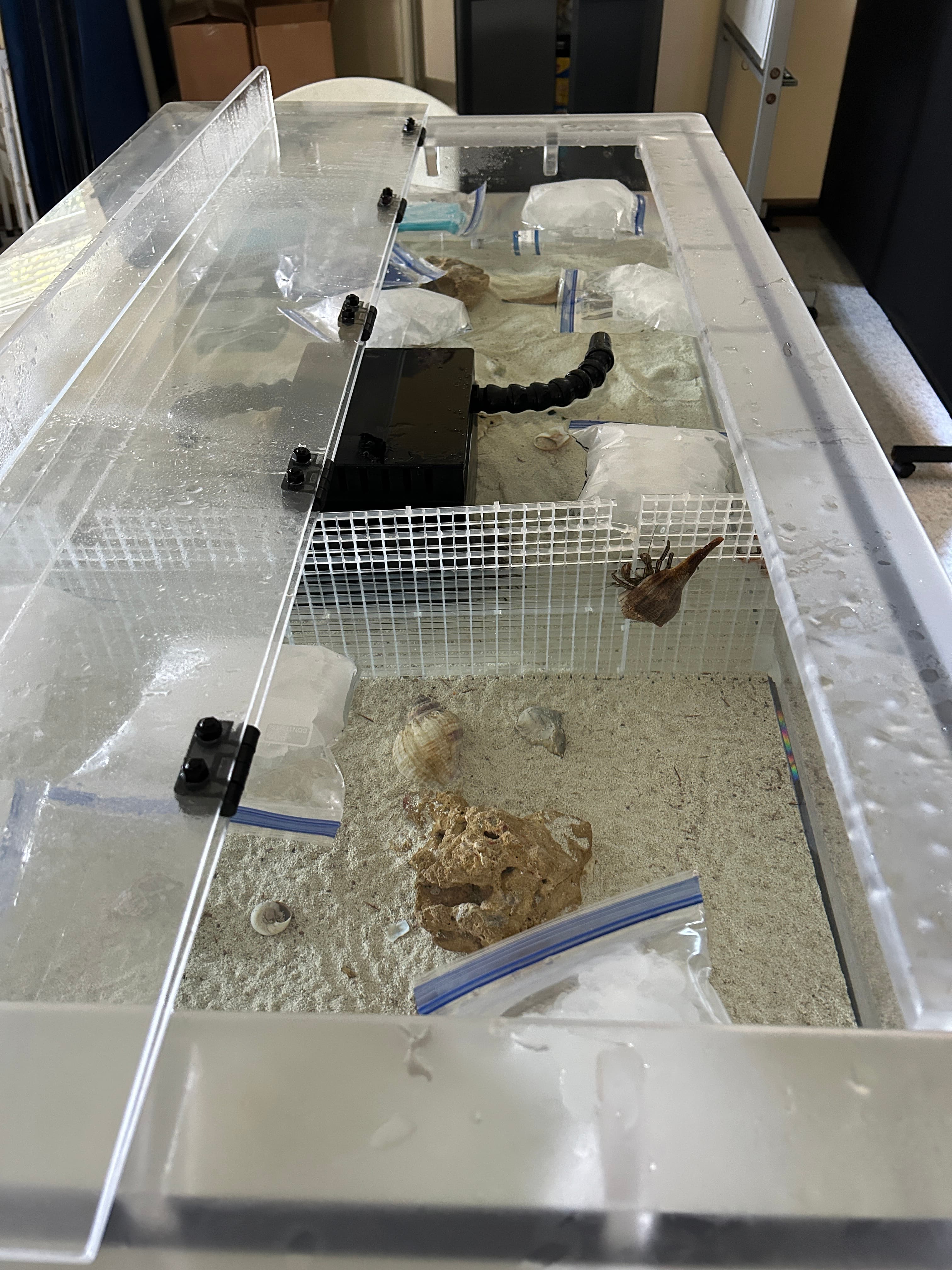
After receiving an eeBLUE Aquaculture Literacy Mini-Grant to develop a new exhibit at the Tampa Bay Watch Discovery Center, our team (representing Tampa Bay Watch, Mote Aquaculture Research Park, and the NOAA Office of Aquaculture) began designing an engaging educational display focused on conservation aquaculture and local growers.
We kicked off the project with enthusiasm, drafting exhibit text and brainstorming interactive activities. But as our momentum was building, so was Hurricane Helene. With facilities located along the coast—Mote’s Aquaculture Research Park in Sarasota, Tampa Bay Watch’s Discovery Center on St. Pete Pier, and NOAA’s office in St. Petersburg—we had to shift gears quickly to prepare for potential impacts.
Thankfully, our facilities were spared major damage, but Helene brought historic flooding to St. Petersburg’s waterfront neighborhoods, and many of our staff were personally affected. In times like these, the well-being of our people takes precedence over all else. While some team members focused on rebuilding their homes and supporting loved ones, others kept programs running and raised funds to help those in need. Exhibit development was understandably paused.
Then, less than two weeks later, Hurricane Milton loomed on the radar. Once again, we secured facilities, evacuated animals, and ensured our teams were ready, both professionally and personally.
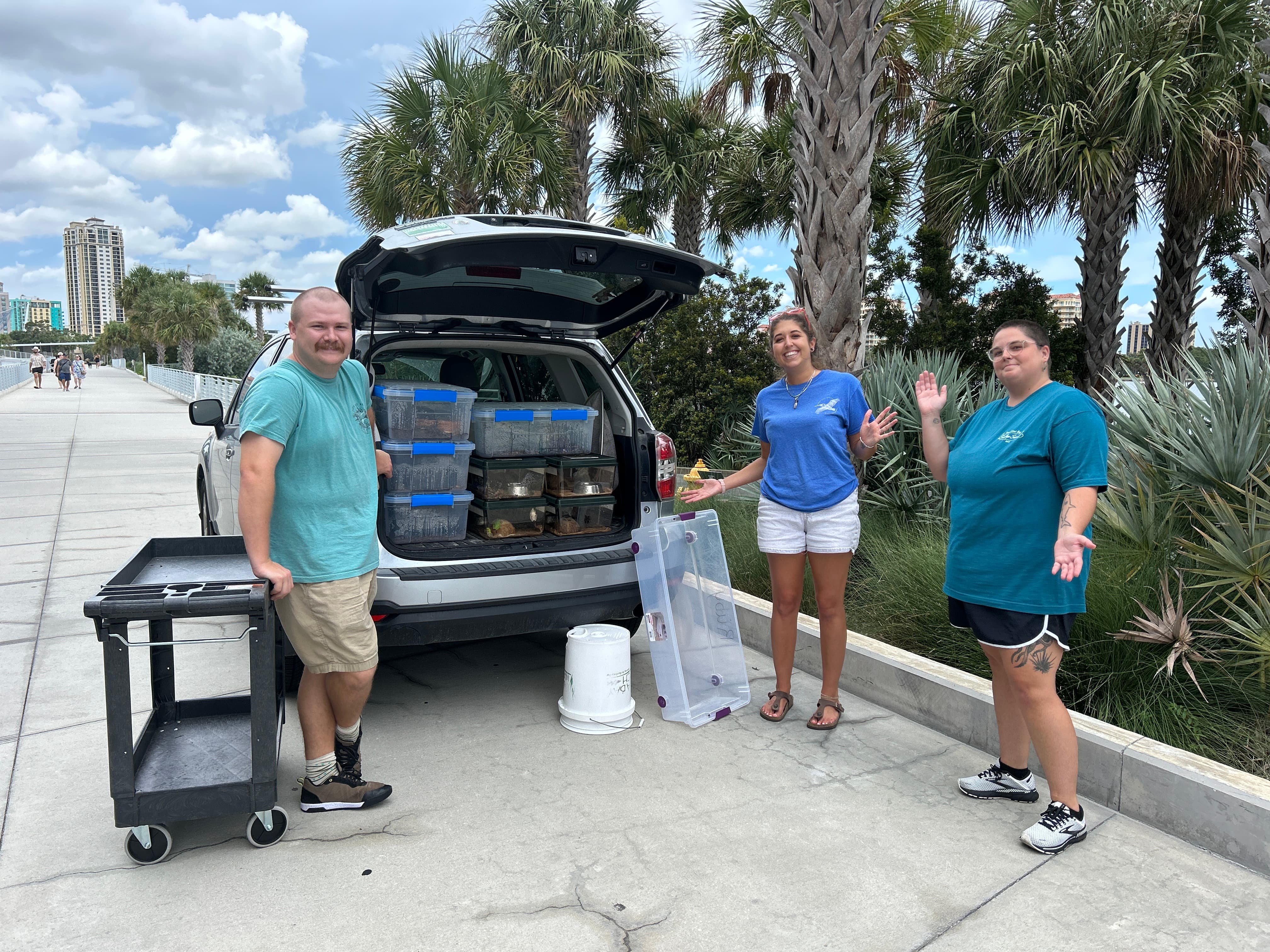
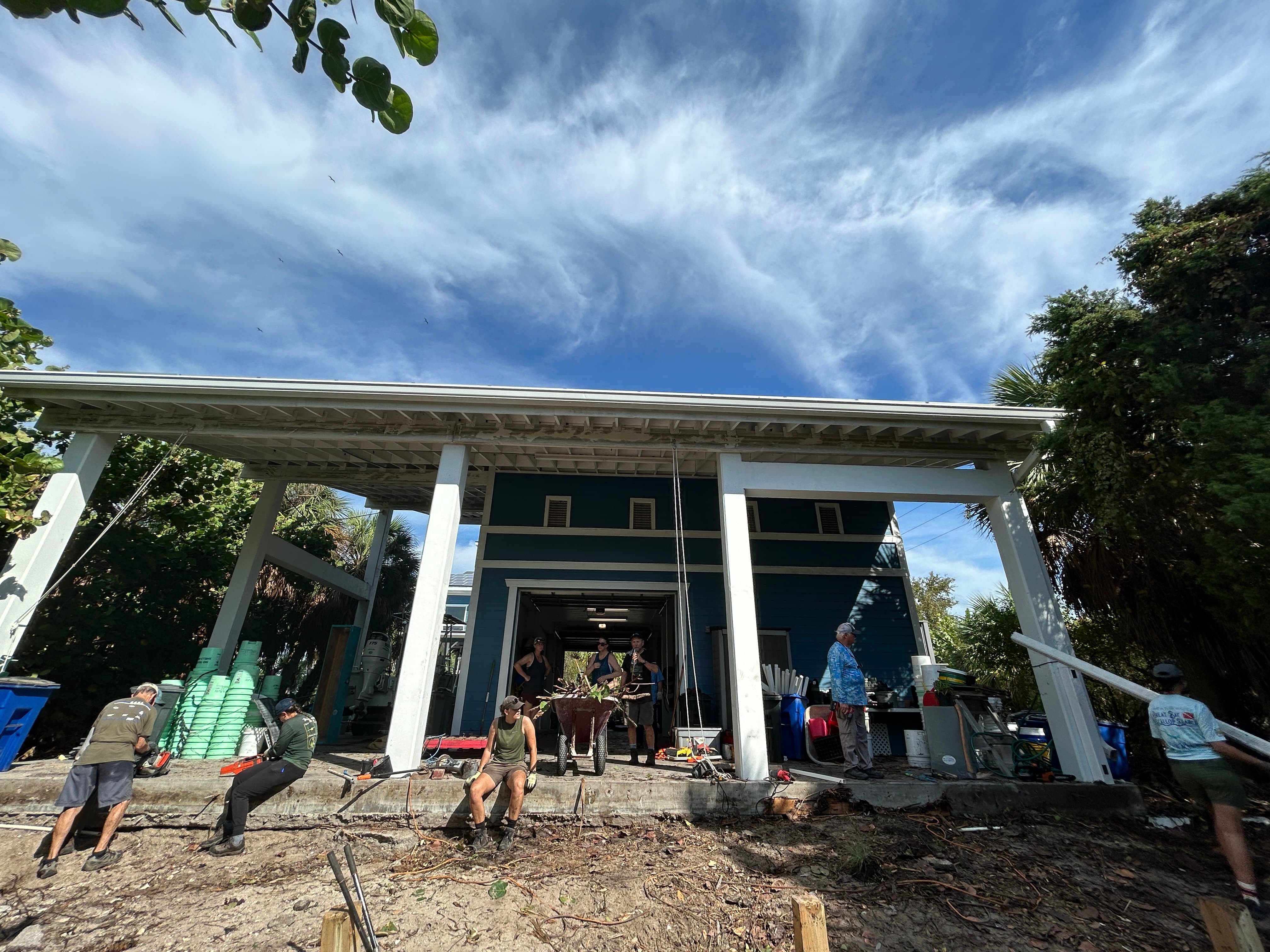
This time, the damage was more severe. Power outages, wind and water damage, and equipment losses meant months of recovery. While Mote and Tampa Bay Watch focused on restoring their operations, NOAA stepped in to support aquaculture farmers across the region who were also reeling from the storms.
Recovery from two major hurricanes isn’t quick. Some facility repairs are still ongoing, and several staff members have yet to return to their homes. Our exhibit contractor, like many other contractors in the area, has been working overtime to help rebuild educational spaces across the region. It’s not easy for them to fit our exhibit into the production schedule.
Missing deadlines and delaying projects can be frustrating, but it’s a reality we’ve come to accept. Rather than give up, we requested a project extension. Now, we’re nearing completion and looking forward to celebrating with an exhibit launch party this fall.
Setbacks like these won’t stop us from creating innovative, engaging learning experiences. Our commitment to inspiring interest in and support for aquaculture remains strong, especially considering its power to help address sustainability and climate challenges and build community resilience. We are certainly hopeful for a calmer hurricane season ahead!
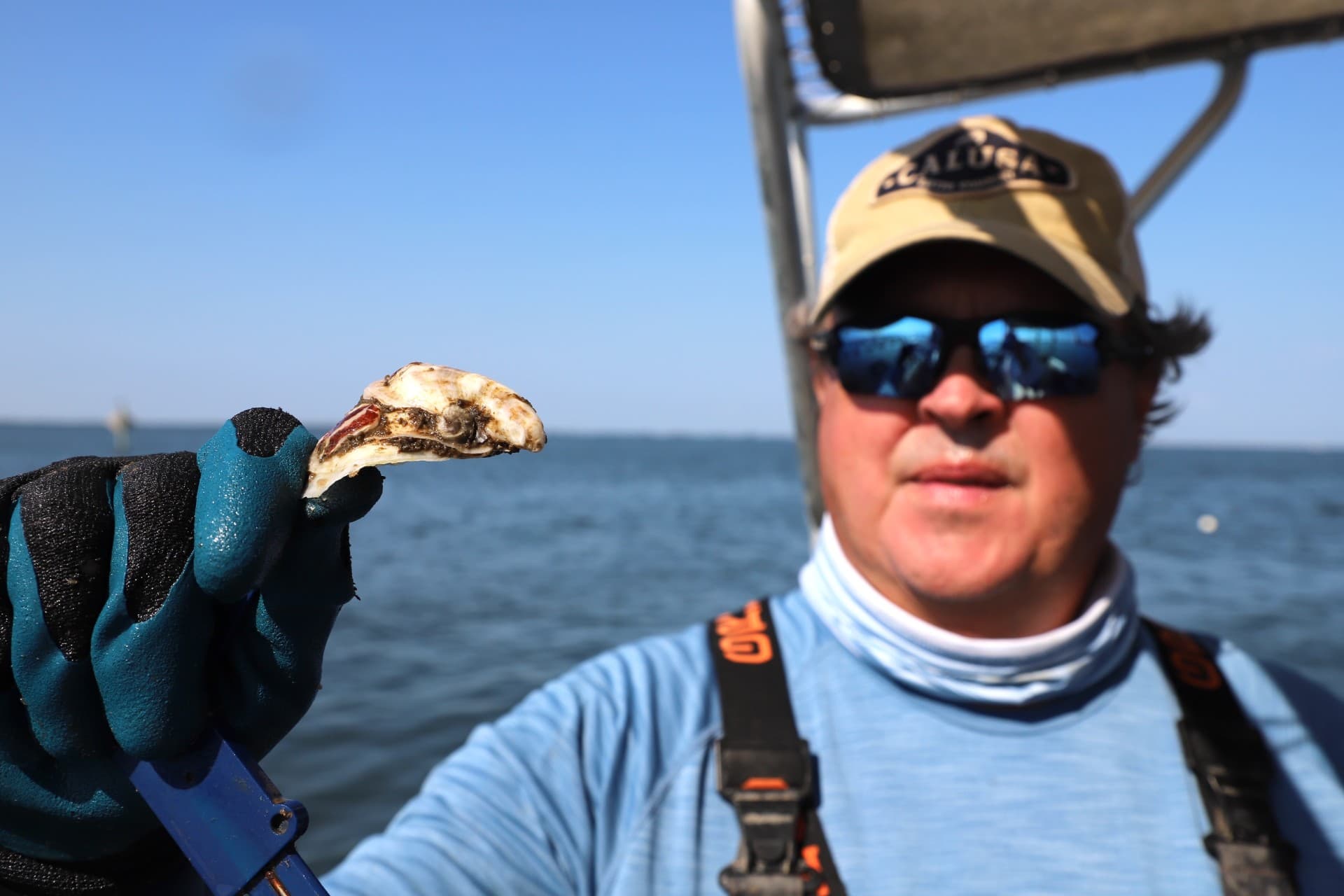
With the eeBLUE Aquaculture Literacy Mini-Grant program, NAAEE is driving significant change for a second time! We are supporting partnerships with the common goal of aquaculture literacy set by the National Oceanic and Atmospheric Administration’s (NOAA) Office of Education, the National Marine Fisheries Service (NMFS), and the National Sea Grant Office. The nine mini-grants awarded will provide more than just financial support; they catalyze innovative educational experiences focused on aquaculture topics and promote public aquaculture literacy in eight states. These grants empower nonformal learning institutions (like aquariums), the aquaculture industry (such as shellfish, finfish, and seaweed farmers), and NOAA partners to make a tangible impact on our understanding of aquaculture. From "Agriculture in Aquaculture” to "Empowering Ocean Stewards," these grantees are helping to support a blue planet!
Join eePRO today and be a part of the conversation!
Comment and connect with fellow professionals in environmental education. Join eePRO >