Blog
-
Through the Global E-STEM Awards’ Next Generation Transportation Grant, Fundación Pachamama has supported the Solar Canoe project, where a 10-meter canoe is fitted with solar panels, electric hardware, and an electric outboard engine. Learn more about how this project supports Kapawi and its school…
-
2025 CEE-Change Fellow Teresa Cole serves as the James River Association's director of education. Her Community Action Project reimagined the pre-existing programs to deepen students’ understanding of the issues related to the James River and empower more youth to make meaningful and lasting changes…
-
Discover how ee360+ is strengthening environmental education through collaboration, with Project WILD showcasing how long-term partnerships empower educators to inspire meaningful learning and conservation action.
-
Over the past five decades, children have lost much of the freedom to roam and build their own worlds. This blog asks what that decline in independent mobility might mean for children's mental well-being, weaving research with personal memories of developing a lasting sense of place.
-
Mrs. Lalitha Murali, a teacher for the Glendale River-Hills School District and 2025 CEE-Change Fellow, reflects on her experience at the CEE-Change Leadership Institute. Following her time there, Lalitha worked to add a civic leadership layer to her school's STEAM Program.
-
2025 CEE-Change Fellow Jeftey Saint Fleur writes about his arrival in the United States and inspiration for his Community Action Project, Green Bridges. He found opportunities to strengthen and refine the vision of the project at the CEE-Change Leadership Institute last year.
-
It’s the time of the year when students and teachers alike are ready to head outdoors! Here are ideas and resources to take learning outside in ways that make us healthier, happier, and smarter.
-
Supported by ee360 and ee360+, Earth Force and the Inland Seas Education Association (ISEA) are continuing to strengthen their eight-year organizational partnership. Together, they are working to train educators, deepen civic engagement, and help define what best practice looks like for the field.
-
Earthstorytelling reimagines climate education in Northern Nigeria to help young people become active authors of ecological futures.
-
ATi is an educational sustainability board and mobile game developed by Amanda Kporwofa through EcoGames Foundation to raise awareness about deforestation and environmental protection. Learn more about this game designed to combat the rapid loss of Ghana's forests.
-
What can birds teach us about energy? This post highlights a program that uses bird adaptations as an entry point to explore energy concepts, making environmental education more engaging, accessible, and relevant to today’s challenges.
-
With assistance from the 2024 Global E-STEM Award, Groundwork San Diego-Chollas Creek deepened their partnership with Millennial Tech Middle School to deliver a full-year, interdisciplinary, project-based learning (PBL) curriculum across 6th, 7th, and 8th grades.
-
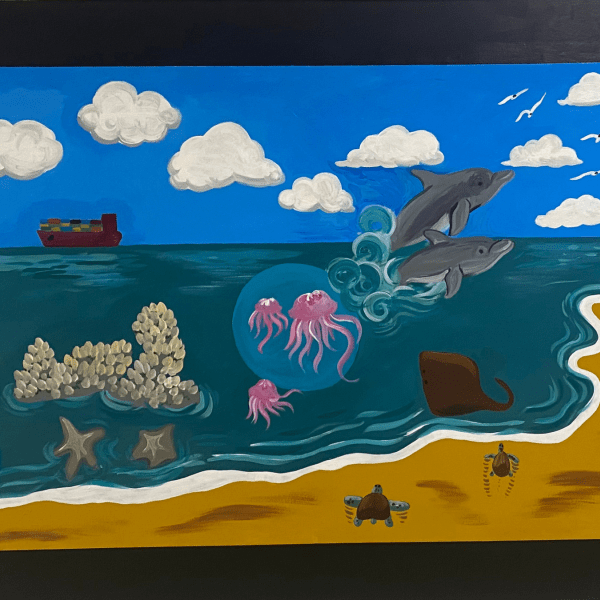
TriOceans Education Trust brings hands-on science education to young people growing up in coastal New Zealand communities. With help from a 2024 Global E-STEM Award, TriOceans launched an outreach program that offers experiential ocean science activities directly to schools and community groups.
-
Hall buzzing, ideas sparking, superintendents connecting. Our NAAEE team joined the 2026 AASA National Conference with Project Learning Tree, saw hundreds of exhibitors uniting to fuel public education, explored sessions, and celebrated three environmental education champions.
-
How do you grow water leadership in Northern Arizona? Dive into how a pilot Water Leadership Institute was designed, and read insights for designing place-based leadership programs.
-
With support from the 2024 Global E-STEM Award, the Riley Orton Foundation (ROF) works to bring STEM concepts to rural schools in Kenya. In the organization's Climate Solutions project workshops, students learn renewable energy and IoT (Internet of Things) technologies, addressing clean water access…
-
CEE-Change Fellow Molina Waters shares her experience as a new member of this cohort, dedicated to civics and environmental education.
-
From late-night searches for resources to peer-to-peer connections, eePRO has been a place educators turn to when they need support. As eePRO turns ten, we reflect on belonging in this shared online space and invite you to share your story too.
-
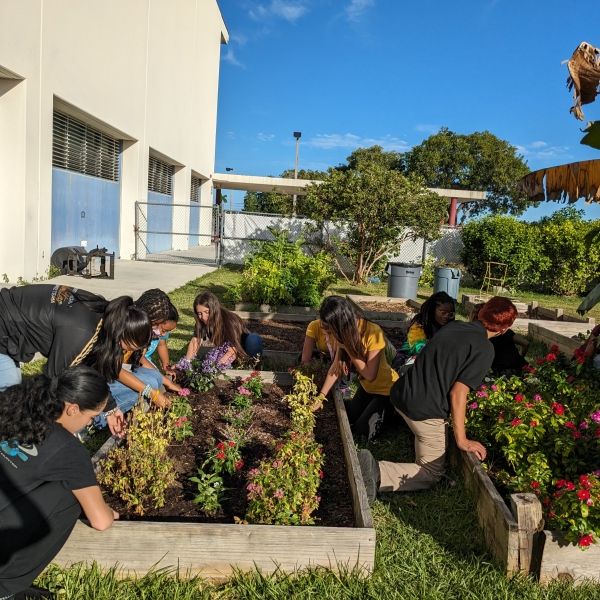
A 2024 Global E-STEM Award winner, Dream in Green is working to bring E-STEM education to K–12 students across South Florida through their Green Schools Challenge initiative. The program blends STEM concepts with project-based learning to engage students.
-
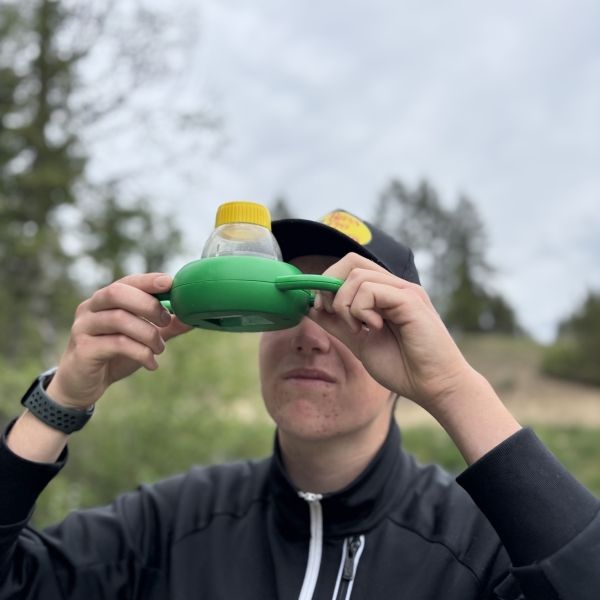
Living Lakes Canada educates about environmental challenges within local watersheds. With the support of the 2024 Global E-STEM Award, the Watershed Matters program equips high school students with the skills needed to not only understand the issues around them, but to make a local difference.
-
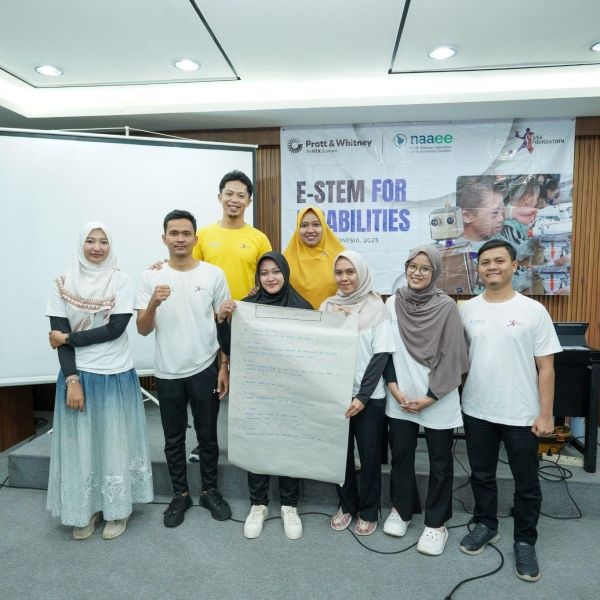
With the support of an E-STEM Award from Pratt and Whitney and NAAEE, the ASA Foundation’s E-STEM for Disabilities project in Indonesia is expanding E-STEM education accessibility by equipping teachers with what they need to support all learners, regardless of their abilities.
-
A hurricane hit the habitat preserve surrounding a small Texas school, but Artist Boat turned repair into real learning. With support from the eeBLUE 21 CCLC Watershed STEM Education Partnership Grant, students saw resilience firsthand and discovered why their coastal ecosystem needs them.
-
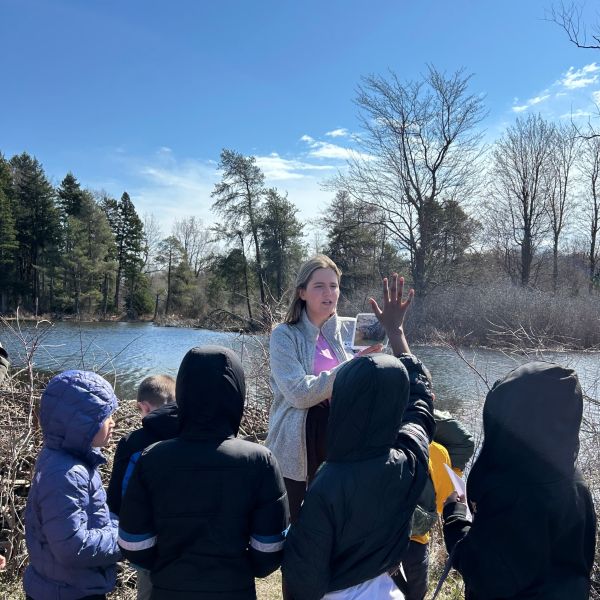
"What creek?" became "our creek" after ten weeks of learning. Engaging young students in their local watershed through field trips, water testing, and storytelling transformed a forgotten waterway into a shared stewardship. Get the full story in the latest education of the eeBLUE Watershed…
-
Made possible through the eeBLUE Aquaculture Literacy Mini-Grant, the Get Aquacultured! podcast dives into the systems, stories, and people behind modern aquaculture, served with saltwater charm.