Nature of Teaching: Food Waste Curriculum
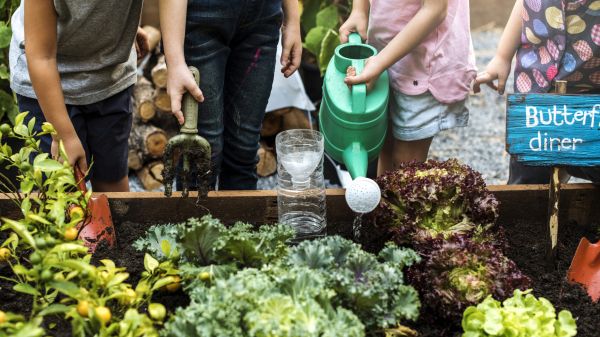




Purdue University’s College of Agriculture Nature of Teaching Program developed this curriculum to help educators introduce their students to key concepts of food waste. Lesson plans are divided into the following units: Food Waste and Natural Resources, Food Waste and the Environment, What a Waste of Food! School Gardens, Food Waste Solutions, and Transporting Food Waste. Each unit contains one or more lesson plans that contain Common Core English/Language Arts, Math, and Next Generation Science Standards. Most lessons are K-5, but some include middle school and high school standards, and many can be scaled up.
Each lesson plan includes not only the curriculum, but also everything needed to promote student inquiry, including classroom activities. Each lesson plan includes assessments educators can use to evaluate students’ comprehension of key concepts. Although the lesson plans are geared toward K-5 students, the resources for each lesson plan are listed, making these lesson plans easily customizable for the needs of each classroom. Supplemental links are included on the page to provide additional information and activities for students.
Go to Nature of Teaching: Food Waste Curriculum
Each year, the food we waste could feed millions of people and costs the North American economy billions of dollars. We also waste millions of tons of fertilizer each year on growing food never eaten, not to mention the millions of hectares of natural habitat lost to farmland dedicated to growing wasted food. Wasted food is a huge issue in the US and in many parts of the world. Use the resources below to educate and inspire students and communities to get involved in addressing the wasted food issue and help save our planet. View more resources in the Wasted Food PRO Picks collection >