A Teacher's Journey Back to Joy Through Nature and the Guidelines for Excellence
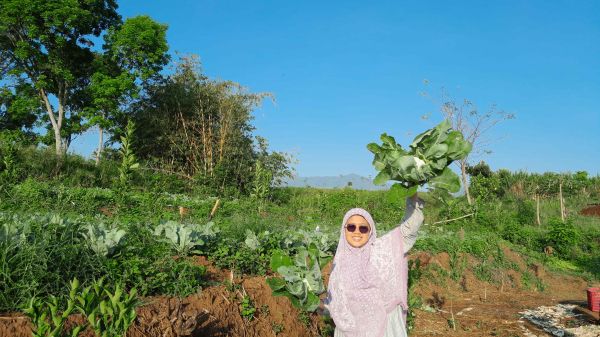






This blog post was written by Ike Novitasari, an agroecotechnology graduate passionate about children’s education through nature-based learning and gentle, student-centered approaches.
I’ve always loved playing and having simple conversations with children. Every time I spoke with them, I could feel a gentle hope for the future of our planet, because their hearts were full of curiosity. That’s the reason I became a teacher.
To Leave or Keep Teaching Amidst Burnout?
But in the last two years, something inside me began to fade. My body felt constantly tired, I often got sick, and even saying “good morning” to my students took effort. Every day I sighed deeply before class began. The targets, the endless lesson plans, the pressure to make children “achieve” something all felt too heavy.
With all the exhaustion, I finally decided to resign. I didn’t know if it was the right decision or not. I just knew I needed to stop teaching for a while.
Finding Joy in Outdoor Learning
After I resigned, I spent a lot of time reflecting. I tried doing other activities I enjoyed, but the memories of teaching stayed with me—the joy, the laughter, the spark of curiosity in the children’s eyes.
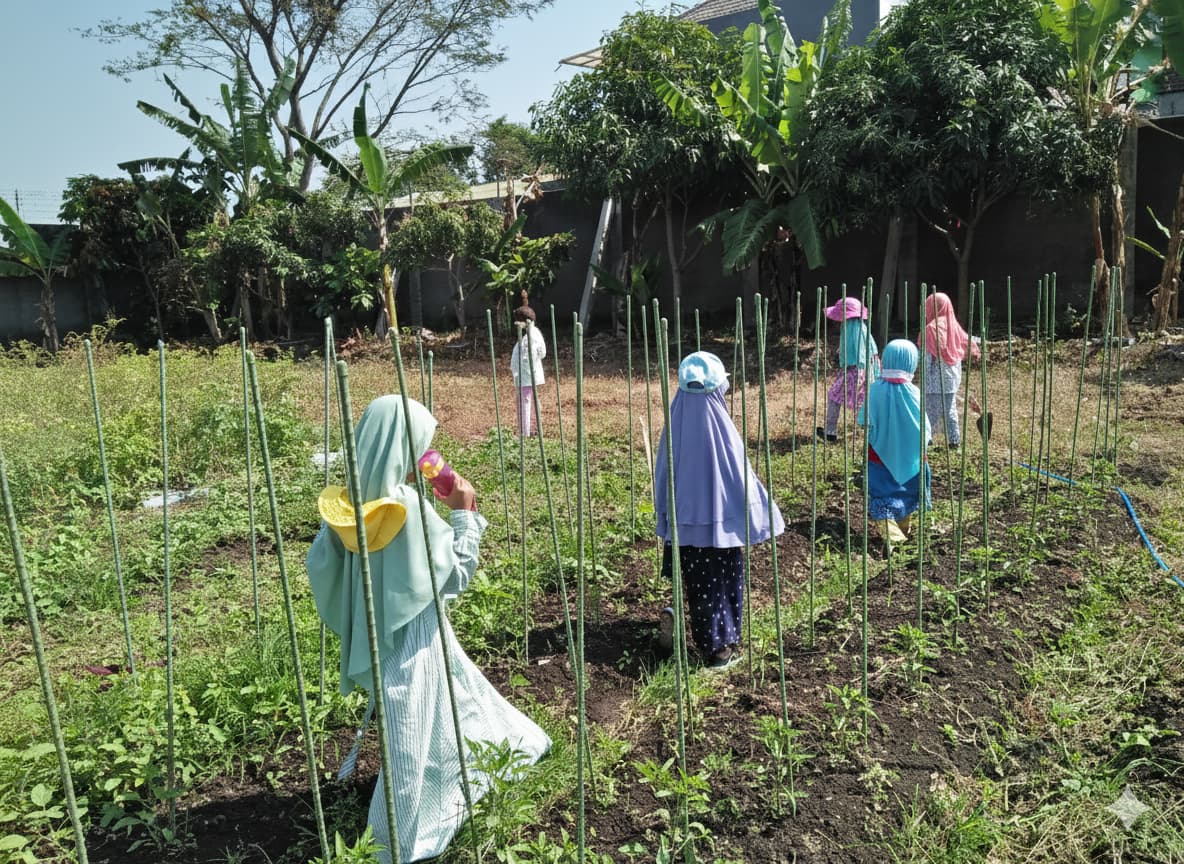
I remembered how their eyes lit up when I took them outside the classroom. We counted with leaves and small stones, played in the river and watched tiny fish and insects, chased butterflies among the wildflowers, studied plant anatomy of wild grasses, learned to treat animals gently, raced together in the schoolyard before class began, and planted the tiny seeds they had collected from wild plants.
They were so proud when the seeds they planted began to grow, as if they had discovered a secret of life itself. It was beautiful to see how children could connect so naturally with the earth. In those moments, I told them, “God has already provided this wonderful world for us. We just need to slow down and notice.”
Those memories made me realize something important: Maybe I didn’t hate teaching. Maybe I just needed a different way to teach. Perhaps I felt most alive when children learned in nature, not just about it. That’s when I started to learn again, looking for courses and materials about nature-based education.
One day, I found the NAAEE Guidelines for Excellence, and surprisingly, so many ideas matched what I had been imagining all along.
Where Nature and Practice Converge: Guidelines for Excellence
After reading the Guidelines for Excellence, I began to understand more deeply that humans are a part of nature, not separate from it. Nature has its own rhythm, balance, and way of organizing life. If education followed this natural rhythm, perhaps it wouldn’t feel so heavy and exhausting. The burnout I once experienced, I realized, came from trying to teach children in a way that went against the natural rhythm of learning itself.
Another insight I gained was about the importance of collaboration. In my past teaching, I designed, implemented, and evaluated everything alone, which led to exhaustion. But in nature, collaboration is essential, ecosystems thrive through interconnection. Similarly, in education, collaboration, teamwork, and space for open discussion can make the learning process lighter, more joyful, and more meaningful for both teachers and students.
Resource Highlight
“This aligns with what the Guidelines explain: that children at this stage need exploration and direct experiences…” —Ike Novitasari
Read the Guidelines for Excellence: Environmental Educator Knowledge and Skills.
Honoring the Emotional Worlds of Children and Teachers
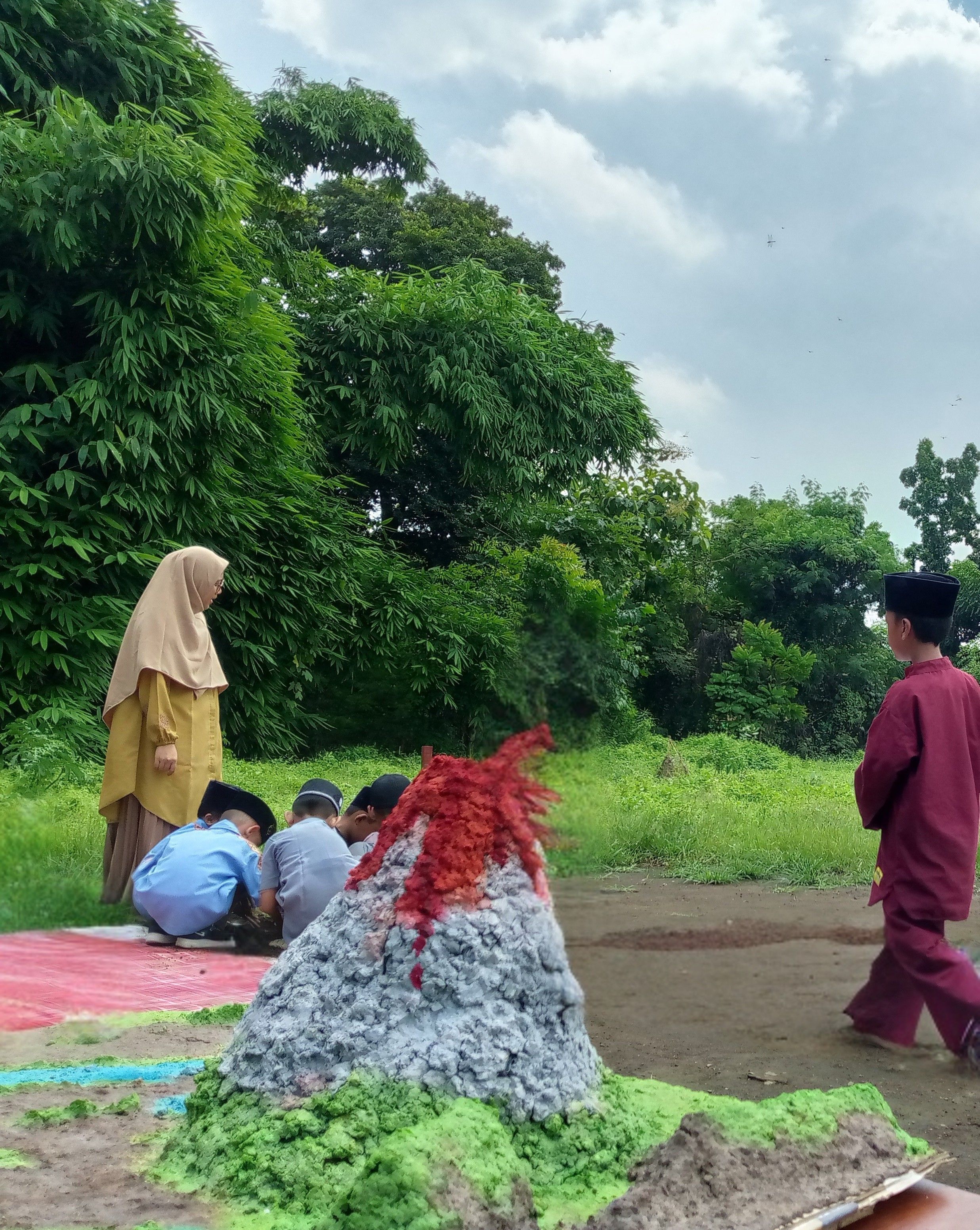
My students, ages 6 to 8, truly loved exploring outdoors, touching, observing, and experiencing real objects in their surroundings. This aligns with what the Guidelines explain: that children at this stage need exploration and direct experiences more than passive listening or looking at pictures in books. I witnessed this myself, how joyful and calm they became when we used natural materials to learn math, language, or social studies, and especially science.
I also came to realize that children are small humans with full emotional worlds. Nature naturally nurtures positive emotions within them, curiosity, calmness, and joy. And it is those emotions that drive their motivation to learn. I often imagine how wonderful it would be if every child could learn to be surrounded by nature each day, where emotional and intellectual growth happen hand in hand.
But it wasn’t only my students who changed, I did too. Being outdoors, hearing birds, feeling the wind, and seeing the sunlight touch the leaves made me calmer and happier. I felt my own emotions becoming more peaceful and grounded when teaching through nature. I realized that teaching is not only about transferring knowledge; it is also about transferring emotions. When a teacher feels joy, patience, and connection with the lesson, children can sense it and they learn not only through words, but through the teacher’s emotional presence.
Meet Ike Novitasari
Agroecotechnology graduate passionate about children’s education through nature-based learning and gentle, student-centered approaches.
Are there lessons about professional growth or navigating obstacles that you want to share?
As educators, we often prioritize our students’ needs and emotions above our own. We care so deeply about their learning and well-being that we sometimes forget that we are also part of that learning journey.
Is there anything else you'd like to share with the eePRO community?
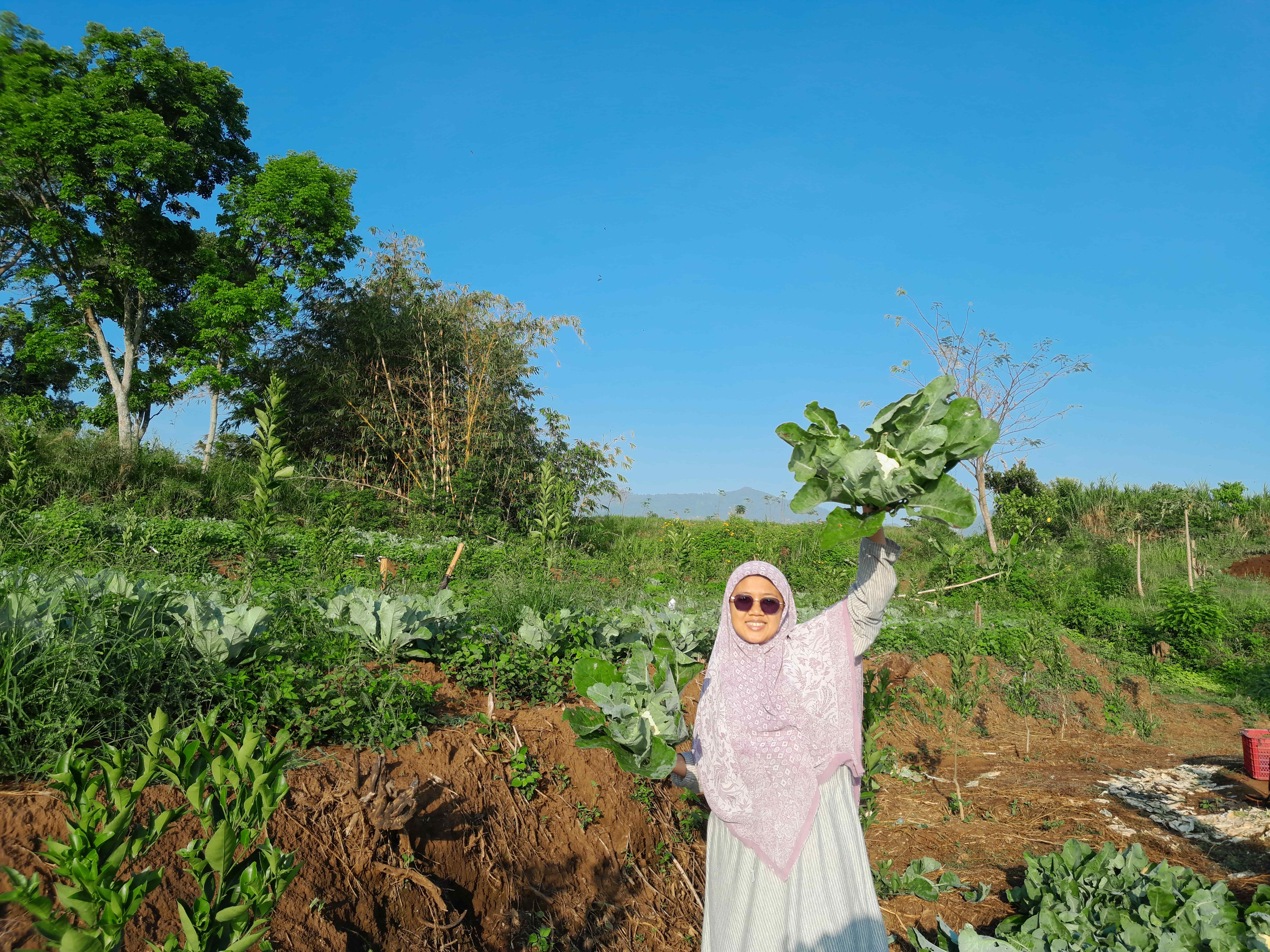
I studied agriculture because I’ve always felt deeply connected to plants, trees, and the peaceful feeling of being close to nature. This emotion began in my childhood.
I remember joining my father to plant trees on hills damaged by fire and logging. I remember walking through small forests on my way home from school, and spending my holidays playing in rivers with my friends.
Now, as an educator, I realize that the emotions and memories we experience as children influence the kind of adults we become. That’s why I believe one of our greatest responsibilities as teachers is to help children build positive, meaningful memories with nature. Because one day, when they grow up and pursue any profession—whether as scientists, artists, or leaders—the love and respect for the Earth that we planted in their hearts will continue to guide them.
This eePRO blog series, Ripple Effect, highlights stories of collaboration and impact among partners in the ee360+ Leadership and Training Collaborative. ee360+ is an ambitious multi-year initiative that connects, trains, and promotes innovative leaders dedicated to using the power of education to create a more healthy and sustainable future for everyone, everywhere. Led by NAAEE, ee360+ is made possible through funding and support from U.S. EPA and twenty-five partner organizations representing universities and nonprofits across the country, as well as five federal agencies. Through this partnership, ee360+ brings together more than five decades of expertise to grow and strengthen the environmental education field.
Join eePRO today and be a part of the conversation!
Comment and connect with fellow professionals in environmental education. Join eePRO >