Bringing Aquaculture to Agriculture Classrooms





This blog post was written by Chris Flight, aquaculture education coordinator at Maryland Sea Grant.
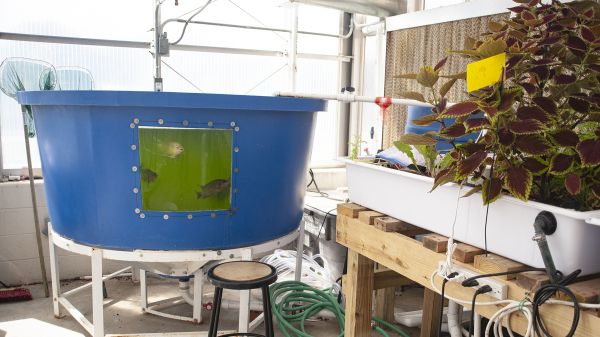
Imagine a traditional classroom. You may picture students at desks, pens and papers scattered across tables, a teacher standing near a whiteboard, and shelves stacked with books. Now, imagine a fish tank. It could be a small tank off to one side of the room, or maybe it is much larger, the centerpiece of the classroom. This fish tank is not the home of classroom pets, though. Instead, it serves as a motivational teaching tool, giving teachers and students the chance to apply a wide range of skills in a laboratory setting. The tank is just one part of a recirculating aquaculture system that provides hands-on opportunities to explore biology, chemistry, math, and physics. Aquaculture and aquaponics—the breeding, rearing, and harvesting of aquatic plants and animals—open the door to these and many other classroom learning experiences.
Building an aquaculture system with students, or weaving aquaculture into a curriculum, can feel daunting. For some teachers, it may seem like a challenge too big to take on. While many resources exist online, aquaculture tools and techniques are constantly changing, and online materials can quickly become outdated.
The National Council for Agricultural Education saw this firsthand when reviewing its aquaculture resources. The council had excellent information available for teachers, but it needed to be refreshed. At the same time, Maryland Sea Grant (MDSG) educators were scratching their heads, trying to find ways to bring aquaculture education to new audiences and school programs. They recognized that aquaculture—a type of agriculture—could fit perfectly into Career and Technical Education (CTE) programs across the state. These programs give students hands-on experience that prepares them for careers in fields such as healthcare, technology, and skilled trades.
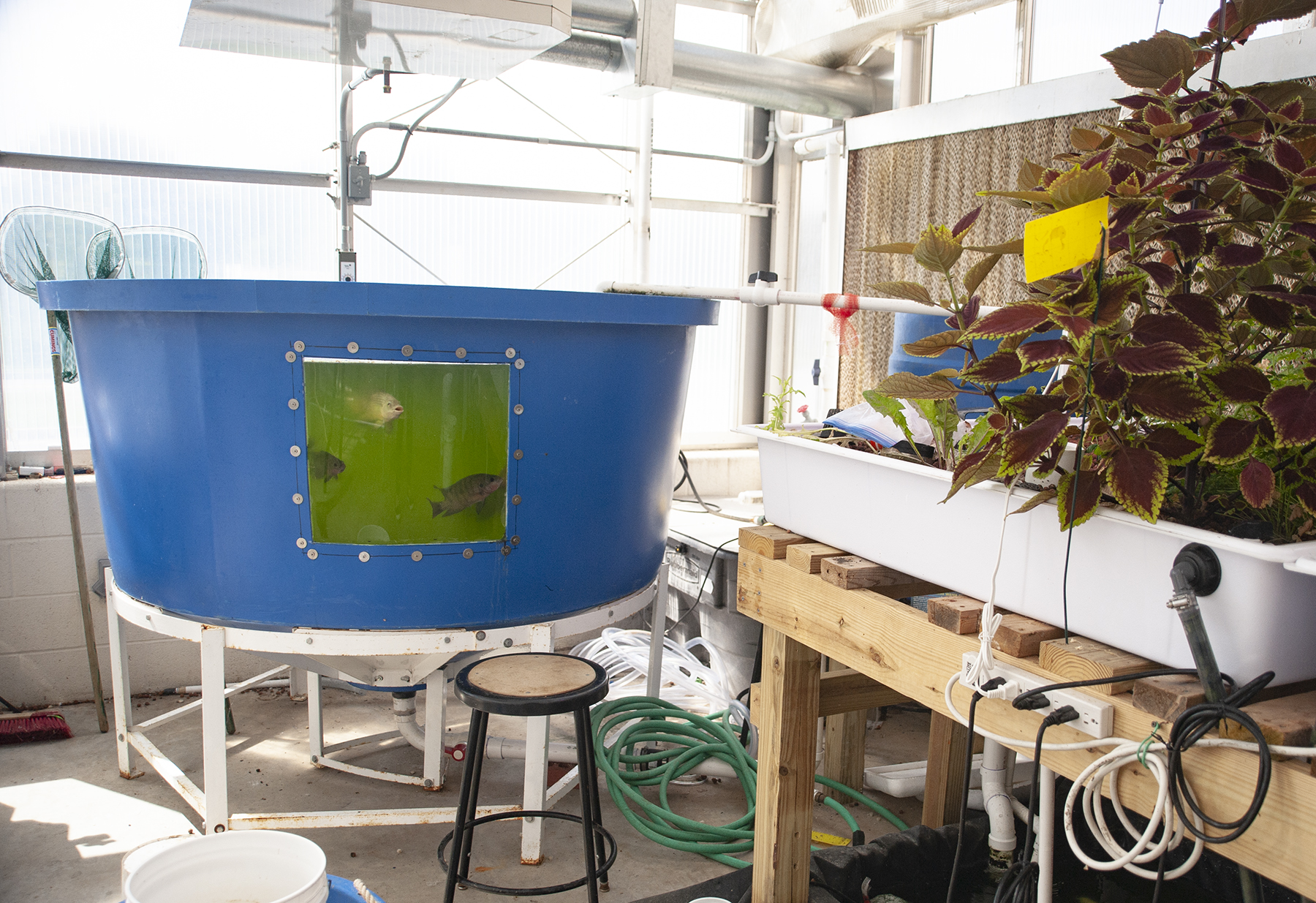
Aquaculture instruction seemed like a natural fit for agricultural CTE programs. But what was the best way to connect with these teachers? Fortunately, MDSG educators connected with the council, kicking off a partnership to assess what information agricultural science teachers need to bring aquaculture to their classrooms and how to update the council’s resources.
At first, the idea was simple: apply for a grant, survey some teachers to determine their needs, and refresh some aquaculture teaching materials. But as the project grew, new partnerships formed, ideas flowed, and before long, the team had created something far bigger than they first imagined.
Building the Team
The MDSG and the council knew they needed additional expertise and resources. Thanks to the eeBLUE Aquaculture Literacy Mini-Grants program, they were able to bring in more organizations to help. The eeBLUE program, a partnership between the North American Association for Environmental Education and the National Oceanic and Atmospheric Administration, provides support to groups looking to develop innovative aquaculture education experiences and promote aquaculture literacy.
Thanks to the program, MDSG and the council were joined by experts from the University of Maryland Extension, Carroll County Public Schools, Wisconsin Sea Grant, and Fishnet, a restaurant in Baltimore City. Two agricultural educators, from Canton Central School in New York and Mackay High School in Idaho, brought valuable insight to the project. They helped pinpoint what teachers need when it comes to introducing aquaculture in a classroom setting.
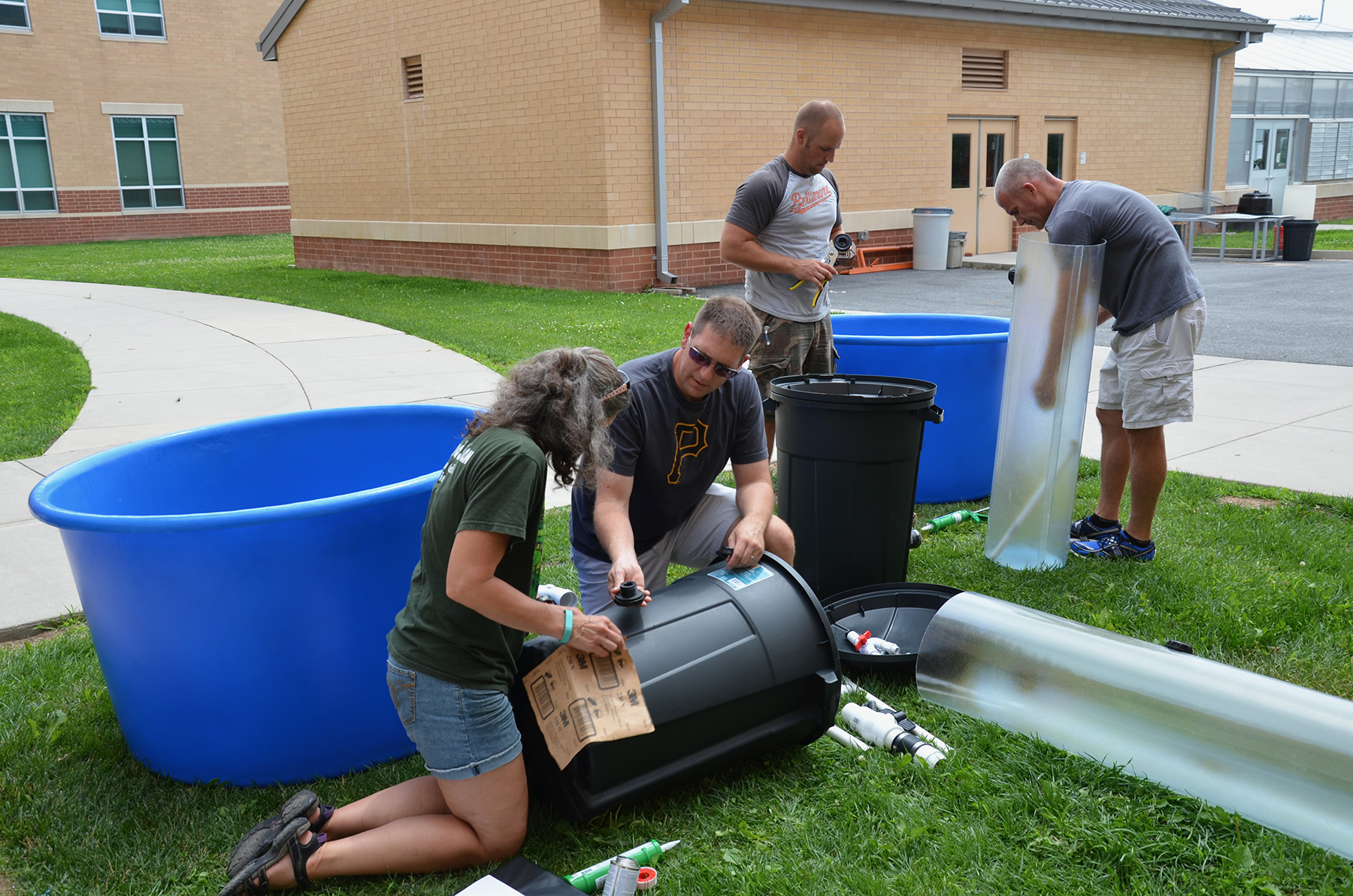
To dig deeper, the group also interviewed educators nationwide who are already using recirculating aquaculture systems in their classrooms. These conversations helped shape the final product. Teacher feedback made it clear that the largest gaps in aquaculture knowledge do not arise after a system is up and running. Online, teachers can find countless pages of information on overcoming issues from water quality to fish illness to preventing leaks. What is missing is guidance for getting started. Many teachers expressed that they would have designed their systems differently if they had known more before cutting their first piece of PVC pipe.
The Result
What emerged from this year-long collaboration is a practical, teacher-friendly guide for aquaculture in the classroom. It is designed to help educators take those first steps to set up a recirculating aquaculture system, without feeling overwhelmed by technical jargon.
The guide explains what teachers should consider about their classrooms before buying a tank. It covers common stumbling blocks, offers strategies for building a support team within the community, and suggests basic design ideas to try. Whether you are just curious about aquaculture or ready to grow your program, this guide was created with you in mind—by educators, for educators.
Download Planning for an Aquaculture System in the Classroom (Teacher Guide)
With the eeBLUE Aquaculture Literacy Mini-Grant program, NAAEE is driving significant change for a second time! We are supporting partnerships with the common goal of aquaculture literacy set by the National Oceanic and Atmospheric Administration’s (NOAA) Office of Education, the National Marine Fisheries Service (NMFS), and the National Sea Grant Office. The nine mini-grants awarded will provide more than just financial support; they catalyze innovative educational experiences focused on aquaculture topics and promote public aquaculture literacy in eight states. These grants empower nonformal learning institutions (like aquariums), the aquaculture industry (such as shellfish, finfish, and seaweed farmers), and NOAA partners to make a tangible impact on our understanding of aquaculture. From "Agriculture in Aquaculture” to "Empowering Ocean Stewards," these grantees are helping to support a blue planet!
Harvest Stories You May Be Interested In


Join eePRO today and be a part of the conversation!
Comment and connect with fellow professionals in environmental education. Join eePRO >